Side by side, not across a desk
Walking next to someone takes the pressure off constant eye contact. For a lot of people, that's what finally makes the hard things easier to say.

Signature service
Same therapy, different setting. We meet on a quiet stretch of the Laguna shoreline and walk side by side, because for a lot of people, that's where the conversation finally opens up.
Beach Therapy didn't start as a marketing idea. It started as an observation. Working on the coast, I kept noticing the same thing: something shifted when people stepped out of an office and into the open air. Walking side by side along the shoreline changed the rhythm of the conversation. People felt less guarded. Less stuck. More willing to be honest about what was actually going on.
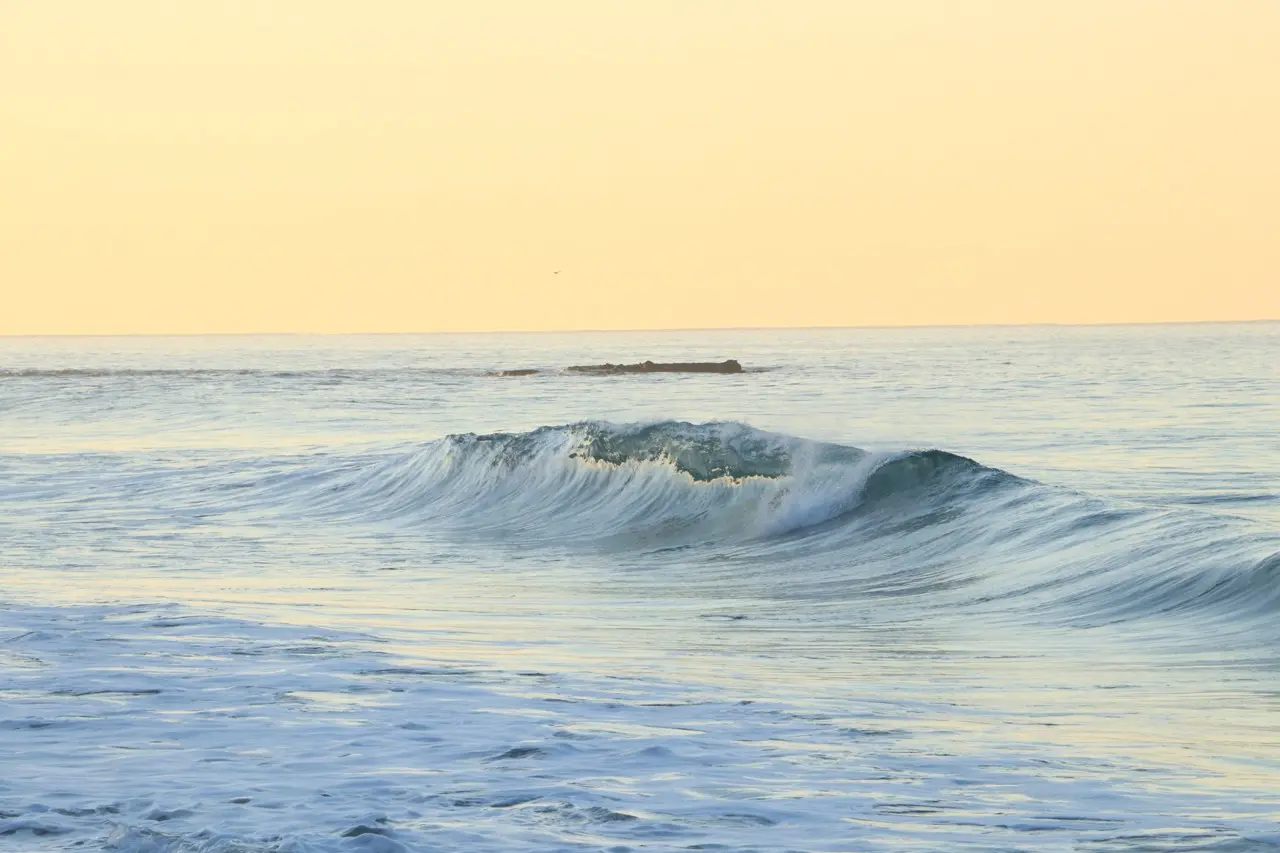
The ocean has a way of creating perspective. The steady waves and the open horizon quiet the noise people carry in with them, so there's room to actually think. The beach isn't replacing therapy. It's creating conditions that let therapy happen differently.
Who leads it
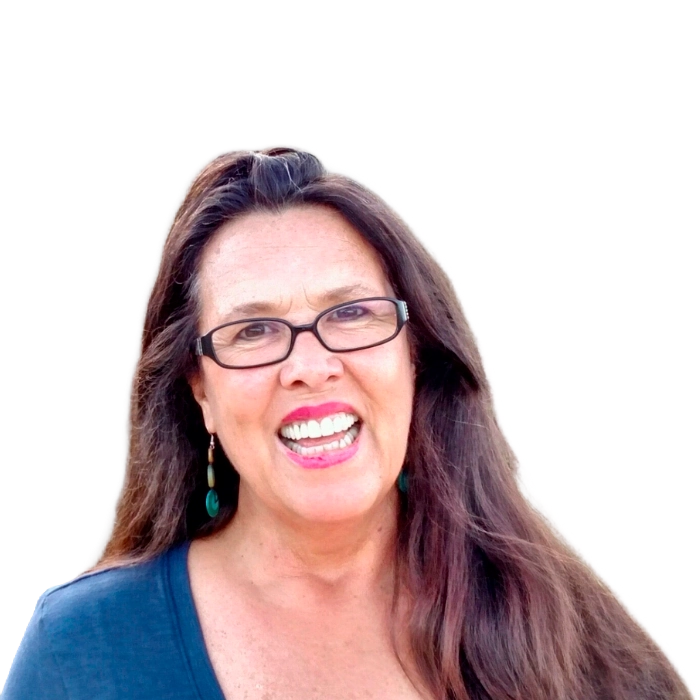
Kay Wenger, LMFT, LPCC
Founder & Clinical Supervisor
I've spent more than 30 years doing this work, and Beach Therapy came straight out of paying attention. The people who think better on their feet, or who feel boxed in by a room, often do their deepest work outside. So I built a way to offer it.
It isn't the right format for every person or every session, and we'll be the first to tell you when indoors is the better call. But when it fits, the change is real. The setting does something a room cannot.
The beach doesn't do the work. It clears the room so the work can happen.
Kay Wenger, LMFT, LPCC
Who walks it with you
Beach Therapy is offered by therapists who build walk-and-talk into how they work. On your free call, we'll match you with the right one, and if a session is better done indoors, we'll be honest about that too.
Meet the teamSometimes the environment matters
What a session looks like
It's one of the only outdoor therapy options in Orange County, and it's more ordinary than it sounds.
You'll get a specific, easy-to-find spot ahead of time, close to parking and never a hike.
An easy pace, no agenda to keep up with, and the same depth as a session in the office.
If the coast isn't cooperating, we move to the Third Street office or meet by telehealth. You're never left stranded.
We choose quiet times and stretches, keep a natural distance from others, and never use names within earshot. If it ever feels exposed, we head indoors.
Good shoes and a layer for the coastal breeze. That's the whole list.
Why the beach works
Walking next to someone takes the pressure off constant eye contact. For a lot of people, that's what finally makes the hard things easier to say.
The steady waves and the open horizon have a way of quieting the noise people carry in with them, so there's room to actually think.
If you think better on your feet, sitting still in an office can get in the way. Out here, you don't have to.
Is there anything to this beyond a nice walk? Actually, yes. In a study of nearly 20,000 people, spending at least two hours a week in natural settings was associated with noticeably better health and well-being (White et al., 2019, Scientific Reports). And among water settings, the coast is the one that stands out: in a later study of about 15,000 visits across 18 countries, the coast was the only kind of water setting where people reported significantly higher happiness during the visit (Garrett et al., 2023, Scientific Reports).
What about the walking part itself? That research is younger and mostly qualitative, so we hold it loosely. A review of 38 studies found practitioners and clients describe outdoor sessions as more mutual and less pressured than a room (Cooley et al., 2020), and exercising in nature has been linked to more revitalization and less tension, anger, and low mood than the same exercise indoors (Thompson Coon et al., 2011). Promising, not settled, and we would rather say so.
None of that is a promise about your particular Tuesday. It just means the shoreline is a well-worn place to do this kind of work, and the map has been walked before.
For the younger ones
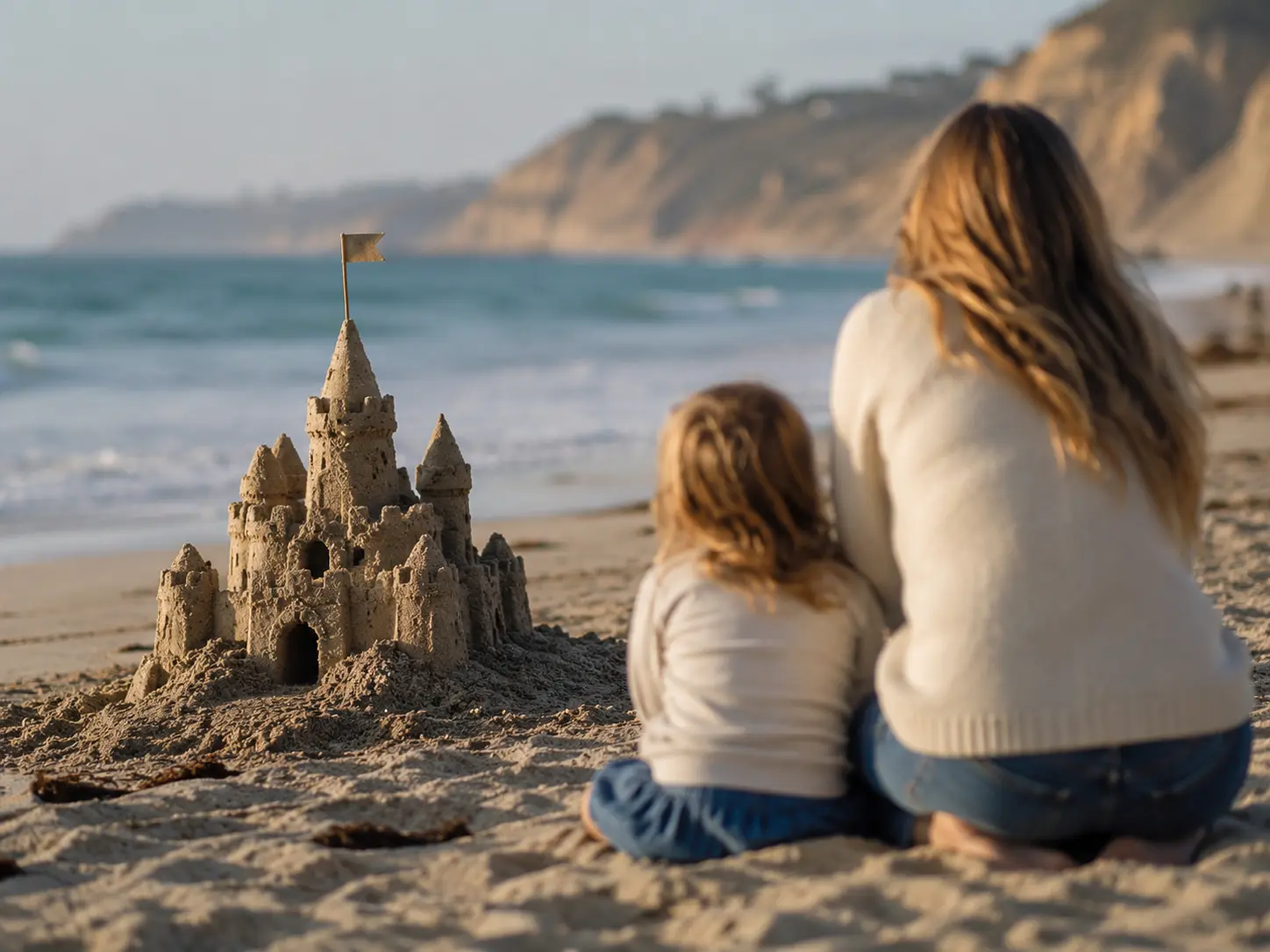
Children do not walk and talk. They build. Sand Castle Therapy™ is our nature-based play therapy model for kids: a child builds a castle on the sand, builds trust with the therapist while they are at it, and practices coping and resilience the moment a wave takes a wall out. Same conviction that the setting matters, in the language a child already speaks.
Who it helps
Book a free 15 to 20 minute call and we'll talk through what you're navigating, and whether Beach Therapy, the office, or telehealth is the right place to start.
Free and confidential. Be seen within 24 hours.
Navigating Life's Waves Together